

Deep Tissue Massage - 120 mins Gallery
$$MultiPurposeText$$
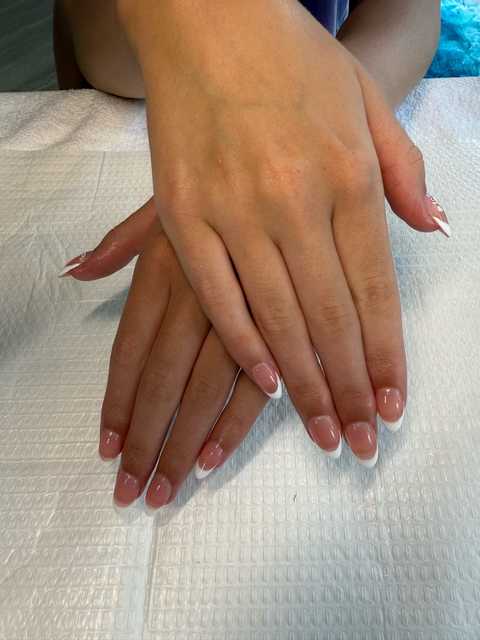
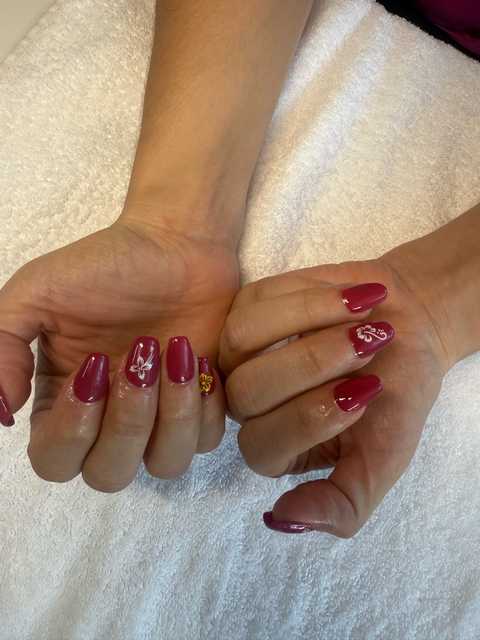
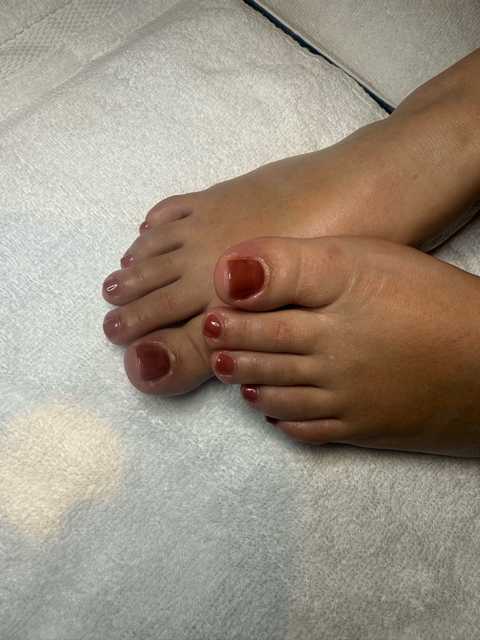
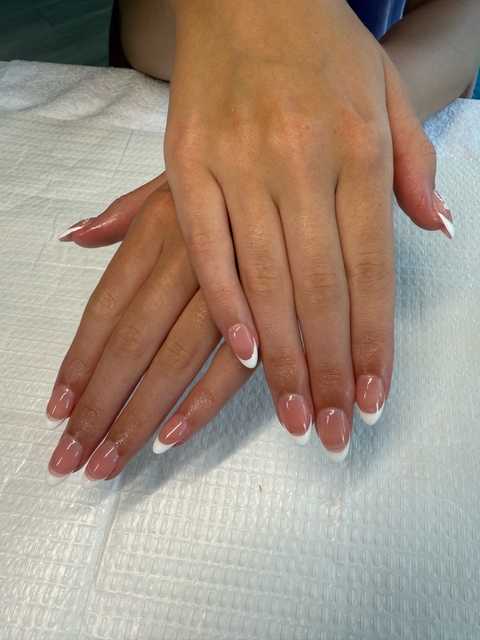
See examples of our Deep Tissue Massage - 120 mins work and results.








What Our Clients Say
$$MultiPurposeText$$
Read testimonials from our satisfied customers

First time getting a massage at this spa. Dustin did an amazing job. I love that he took...more

Jan and Dustin were amazing. Coming back for another massage asap.

My husband and I vacationed to Hawaii. We got a couples massage from Zoe andJan. We absolu...more

Exceptional! We did a 2 hour couples massage and it’s was FANTASTIC! Very clean, professio...more

10/10 on the couples massage. Dustin and Zoe were friendly and professional. Both my husb...more

My husband and I booked a 50 minute couples massage and it was AMAZING. We were both so re...more

Frequently Asked Questions
Get answers to common questions about Deep Tissue Massage - 120 mins.
No — therapists tailor pressure and pacing for newcomers, prioritizing comfort while still targeting deep layers. Communicate your tolerance at the start and during the session. Mild post-treatment soreness is normal; we provide aftercare guidance and can adjust intensity on future visits.
Arrive hydrated, eat lightly, and wear comfortable clothing. Complete our intake form and mention injuries, medications, or areas of concern. Plan to arrive early to relax and discuss goals with your therapist so they can customize pressure and techniques during the session.
Some soreness or tenderness can occur for 24–72 hours as muscles release built-up tension. Use hydration, gentle stretching, and heat to ease discomfort. If pain is severe or persists beyond a few days, contact us or your healthcare provider for advice.
Frequency depends on your needs: weekly for acute issues, biweekly to monthly for maintenance. Your therapist will recommend a plan based on pain levels, activity, and recovery goals. Regular sessions can prevent recurrence and improve long-term mobility and function.
Pregnant clients should avoid deep abdominal work and certain positions—prenatal massage is recommended instead. If you have recent injuries, fractures, or medical conditions, consult your healthcare provider and inform your therapist. We modify techniques or decline treatment when necessary for safety.
Expect an extended consultation, focused work on tight areas, and varied techniques like slow pressure and friction. Therapists check in about comfort and may use oils. Sessions include time for relaxation and aftercare advice to maximize recovery and results.