

Shiatsu - 60 mins Gallery
$$MultiPurposeText$$
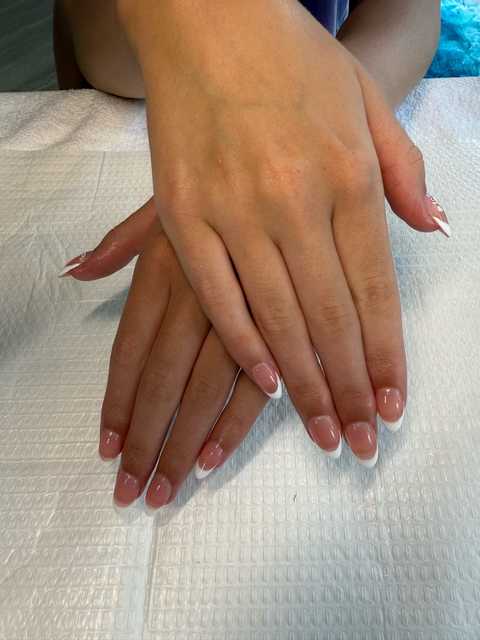
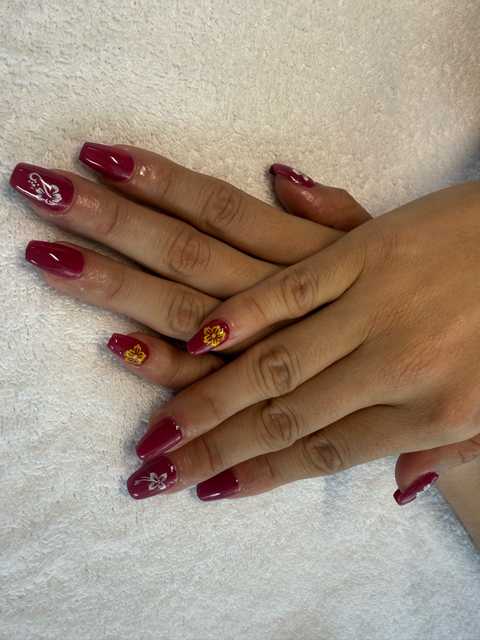
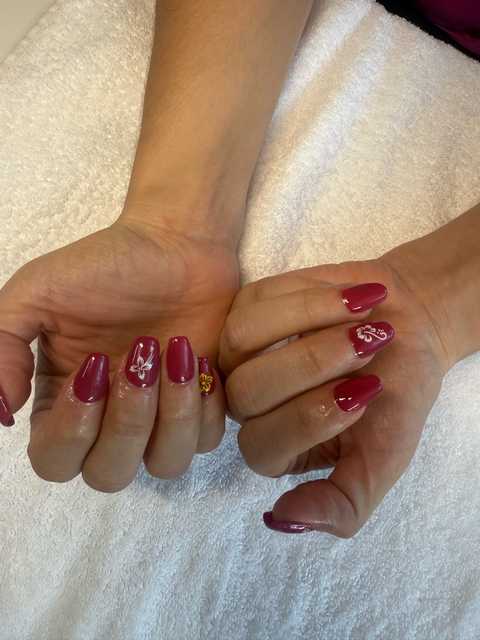
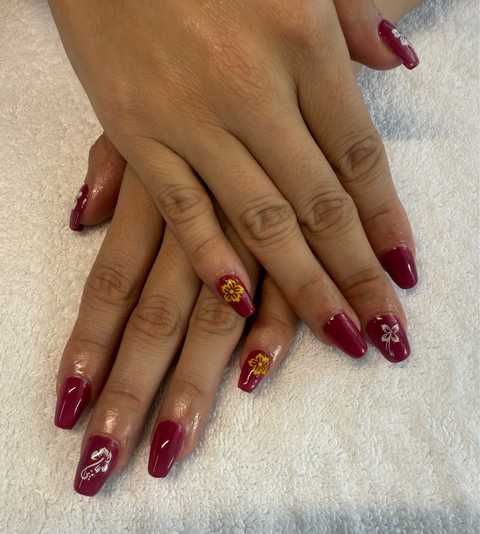
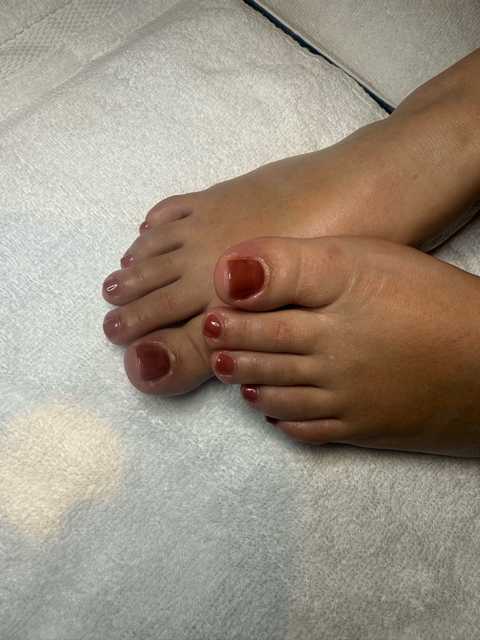
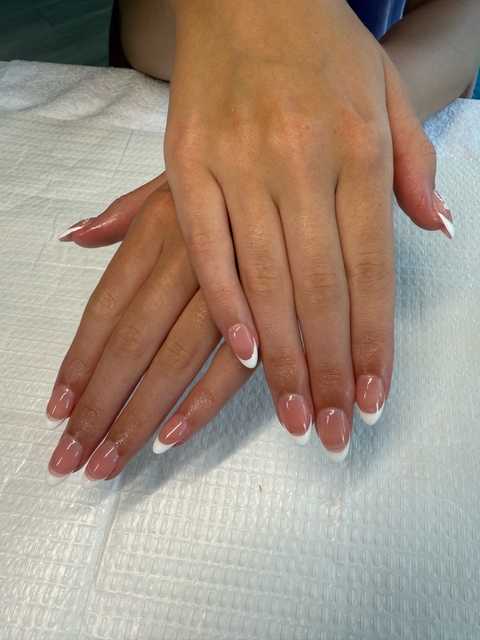
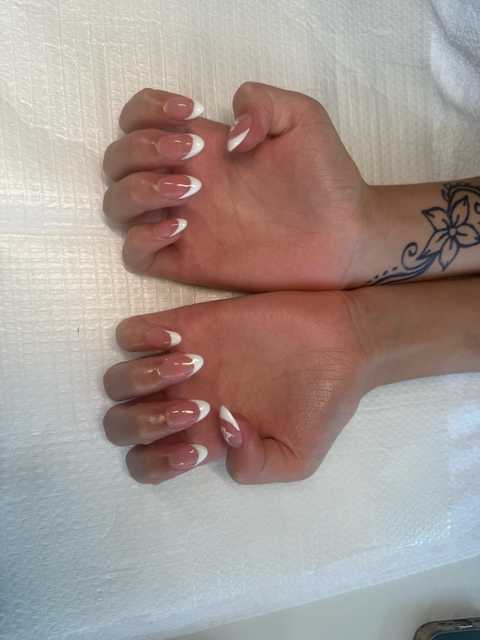
See examples of our Shiatsu - 60 mins work and results.





What Our Clients Say
$$MultiPurposeText$$
Read testimonials from our satisfied customers

First time getting a massage at this spa. Dustin did an amazing job. I love that he took...more

Jan and Dustin were amazing. Coming back for another massage asap.

My husband and I vacationed to Hawaii. We got a couples massage from Zoe andJan. We absolu...more

Exceptional! We did a 2 hour couples massage and it’s was FANTASTIC! Very clean, professio...more

10/10 on the couples massage. Dustin and Zoe were friendly and professional. Both my husb...more

My husband and I booked a 50 minute couples massage and it was AMAZING. We were both so re...more

Frequently Asked Questions
Get answers to common questions about Shiatsu - 60 mins.
You’ll remain clothed while the therapist uses firm finger and palm pressure along energy pathways, alternating stretches and rhythmic holds to release tension. Expect deep relaxation, gentle discomfort at tight spots, and personalized pace for your comfort.
Shiatsu can be adapted for many conditions, but pregnancy and recent injuries require consultation. Inform your therapist of pregnancy stages, medical history, or acute pain; they will modify pressure, avoid certain points, or recommend alternatives for safety.
Wear loose, comfortable clothing and avoid heavy meals or alcohol beforehand. Arrive a few minutes early to complete intake forms, discuss concerns, and communicate any chronic conditions so the therapist can tailor pressure and techniques to your needs.
Some pressure may feel intense when releasing knots, but therapists adjust depth to your comfort. Communicate throughout; mild soreness afterward is normal and fades within a day or two. Relaxation and reduced tension typically follow the session.
Frequency depends on goals: weekly sessions help chronic pain and stress, biweekly for maintenance, and monthly for general wellness. Your therapist will recommend a plan based on symptom severity, lifestyle, and response to treatment.
Generally yes, but disclose all health issues, surgeries, and medications before treatment. Certain conditions like uncontrolled hypertension, recent fractures, or contagious illnesses may contraindicate Shiatsu; your therapist will assess risks and adapt techniques or advise seeking medical clearance.